




30 srp responsible and lawful persons
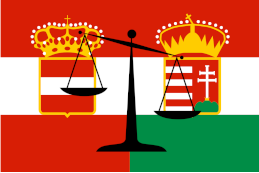
The Croatian language version of the Statute uses the phrase fizičke i pravne osobe, ‘physical and legal persons’, and this has been interpreted in the translation with some licence. In Croatia, a ‘physical’ person is an individual human being whilst a ‘legal’ person is any legal private entity. This distinction between physical and legal persons is believed to have come from Austro-Hungary (1867 – 1918), and have been passed to the Kingdom of Yugoslavia (1918 – 1941), through to the Socialist Federal Republic of Yugoslavia and then to the Republic of Croatia. Austria and Hungary in the later 19th century made efforts to harmonize their laws and legal systems, and that of their empire, so it appears that other parts of eastern Europe would also have inherited this distinction of persons from there. This harmonization was not completed. These terms are believed to be Austrian in origin and Germany uses them and they have obtained a wider common usage internationally. Originally the term natürliche Person (in German, prirodna osoba in Croatian) is believed to have been used but this was abrogated in favor of fizičke osoba, ‘physical person’, during Yugoslavia. The reason for this change is assumed to be the fact that ‘natural’ had specific Marxist ethical and aesthetic meanings when it came to people. It may have been thought inappropriate as a reference to a person who, in the eyes of criminal law, for example, might be ‘un-natural’, that is, a transgressor against the socialist order. In communist Yugoslavia the range of legal persons was limited to the organizations that were permitted under the laws of that state. There was no question of a group of dissatisfied citizens presenting themselves as a legal person to seek compensation from the state in the courts. Despite Croatian complaints of Serbian domination of the Kingdom of Yugoslavia, it appears that many of its legal reforms came from the Austrian legal framework that Croatia inherited. There is no doubt that this absorption of Austrian legal notions, procedures and acts within the kingdom assisted the rapid formation of the Yugoslav socialist state post Second World War.